Lesson 5: What Are Extensions and Truncations in Elliott Wave?
Extensions and truncations in Elliott Wave are the two most common abnormal behaviors of an impulse wave, and at the same time two practical wave-counting signals that an Elliott trader needs to master before placing a trade.
1. What Is an Extension in an Impulse Wave?
An extension is an elongated impulse wave in which the sub-waves inside it have amplitudes nearly equal to the other four waves of the entire cycle. As a result, instead of counting 5 waves as in a normal impulse, the trader will see as many as 9 sub-waves of nearly equivalent size.
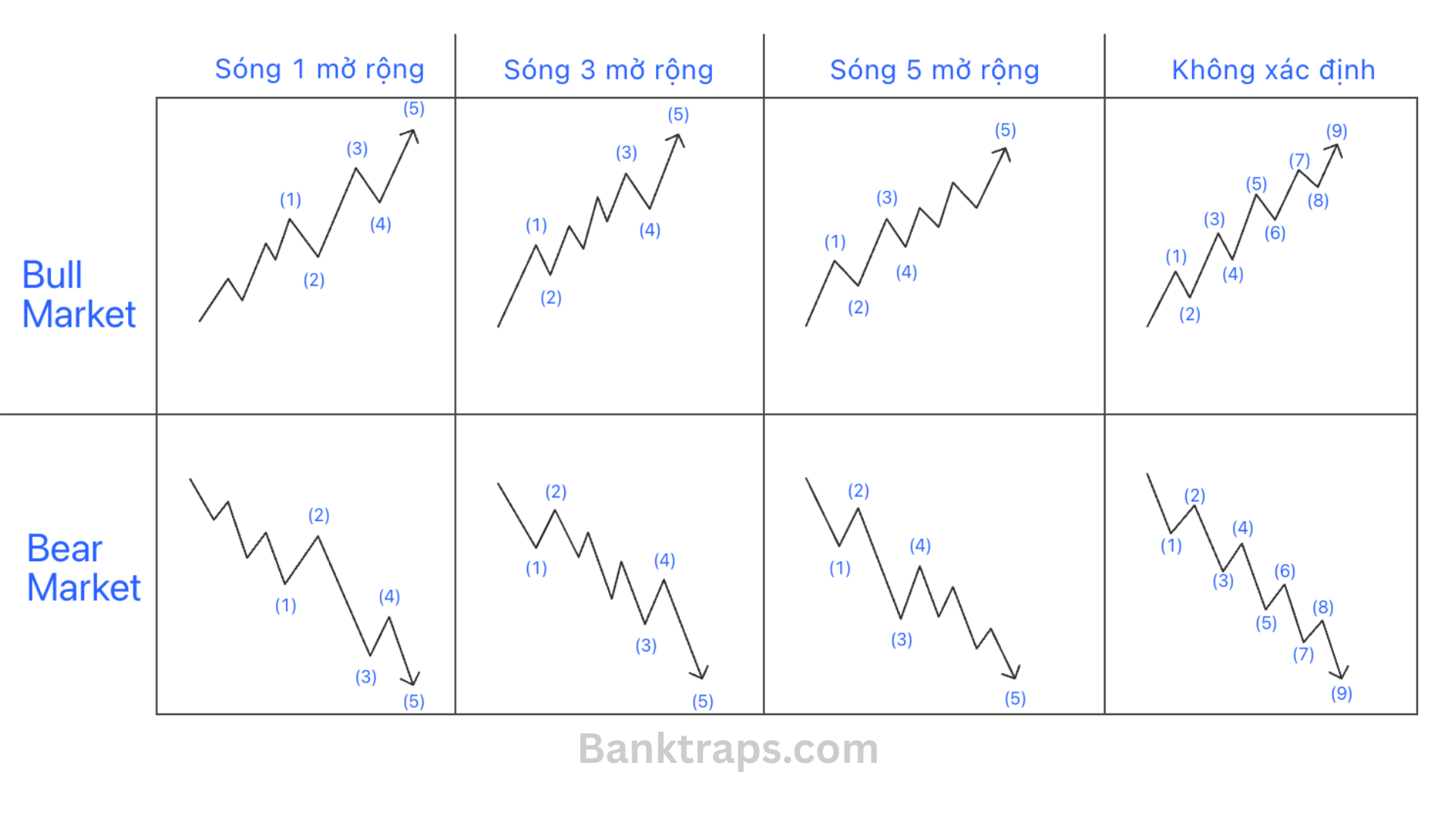 Figure 1: 4 types of extended impulse waves in Elliott Wave
Most impulse waves in the market contain an extension, and only one of the three motive waves 1, 3, 5 extends at a time.
One point to remember: counting 9 waves or 5 waves does not change the technical nature of the structure. According to the Elliott system, a 9-wave cycle and a 5-wave cycle have equivalent meaning. So if at times it is hard to pinpoint exactly which wave is extending in a 9-wave sequence, that does not really hinder further analysis.
Correctly identifying which wave is extending also reveals in advance the length of the remaining waves. This will be analyzed in more detail in section 3, after you have grasped each specific extension variation below.
1.1 Wave 3 Extension (Extension3)
In the stock market, wave 3 is the most common extended wave, a phenomenon called Extension3. When wave 3 extends, wave 1 and wave 5 retain their basic structure and tend to be equal to each other in time and amplitude.
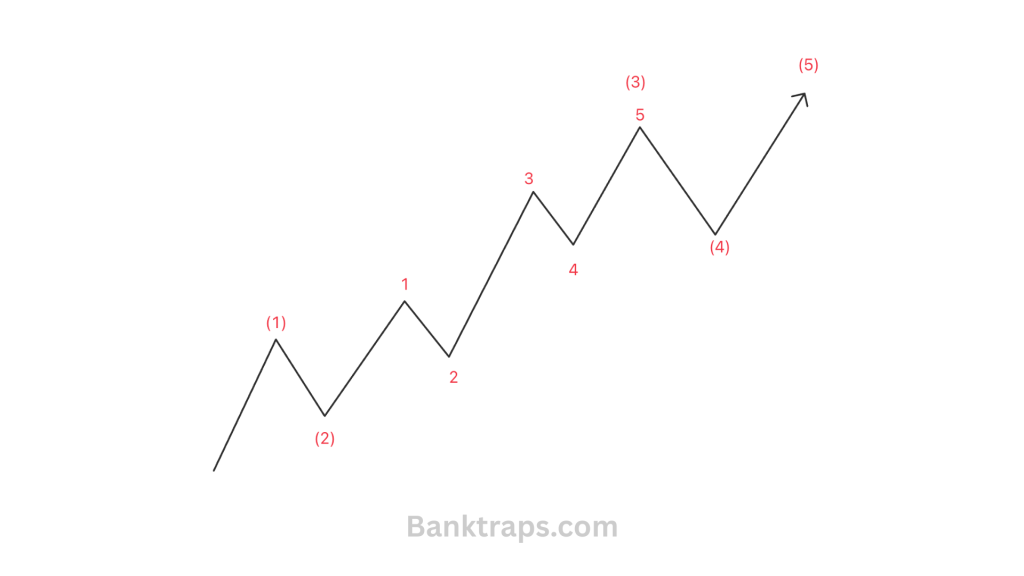 Figure 2: Wave 3 extension in Elliott Wave
The fact that wave 3 often extends is directly related to one of the three inviolable rules of an impulse wave: wave 3 is never the shortest wave among the three motive waves. Combined with the rule that wave 4 must not overlap the price territory of wave 1, these two rules are precisely the basis for identifying a wave 3 that is extending right as it is forming, a technique that will be presented in section 2.
1.2 Wave 1 Extension and Wave 5 Extension (Extension1 and Extension5)
A wave 1 extension (Extension1) is a less common case. When it occurs, wave 2 usually divides the entire impulse wave according to the Golden Section, while wave 3 and wave 5 remain nearly equal in length.
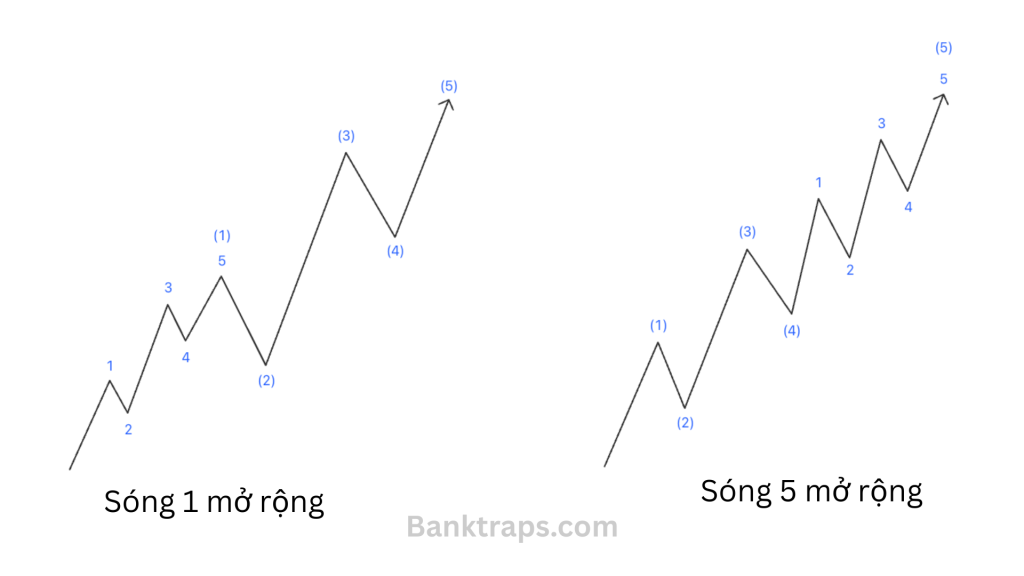 Figure 3: Extension1 and Extension5 extensions create 9 sub-waves
A wave 5 extension (Extension5) is even rarer in the stock market, appearing mainly in commodity markets during strong bull market phases. After a wave 5 extension, the market often reverses quickly and sharply; the target of this correction will be discussed in detail in section 3.
1.3 Double Extension, Triple Extension: When an Extension Is Nested Inside an Extension
An extension sometimes appears right inside another extension itself. In the stock market, wave 3 of an extended wave 3 often itself also extends, creating the phenomenon of a Double Extension with a total of 13 sub-waves. If repeated one more time, the structure will have as many as 17 waves, called a Triple Extension.
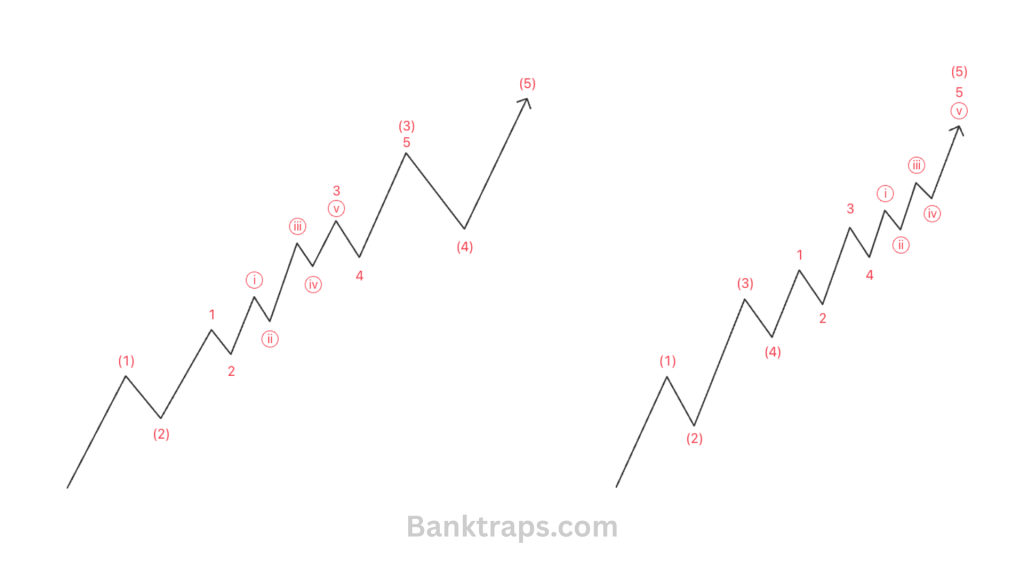 Figure 4: An extension nested inside an extension creates a sequence of 13 or 17 sub-waves
A Double Extension is rare, but if it occurs it is always the pair of waves 3 and 5, never wave 1. When you encounter a sequence of 13 or 17 waves, do not panic — it is still just a single impulse wave magnified through multiple layers.
1.4 How to Identify in Real Time That Wave 3 Is Extending
The general principle: if the wave count you are drawing violates one of the two rules of an impulse wave, wave 3 is almost certainly extending and you need to relabel. This is an important practical wave-counting technique related to extensions, yet it is rarely mentioned in Vietnamese-language material. There are 2 violation situations:
- The first situation: if the wave 4 you are counting intrudes into the price territory of wave 1, this count is wrong immediately because it violates the non-overlap rule.
- The second situation: if the wave 3 you are counting is shorter than both wave 1 and wave 5, this count is also wrong because it violates the rule that wave 3 is never the shortest.
When you encounter one of the two situations above, the correct handling is almost always to relabel it as wave (3) in the process of extending, instead of keeping the original count. As soon as you recognize this clue, you should build the habit of labeling early the initial stage of an extending wave 3, even though it has not yet completed.
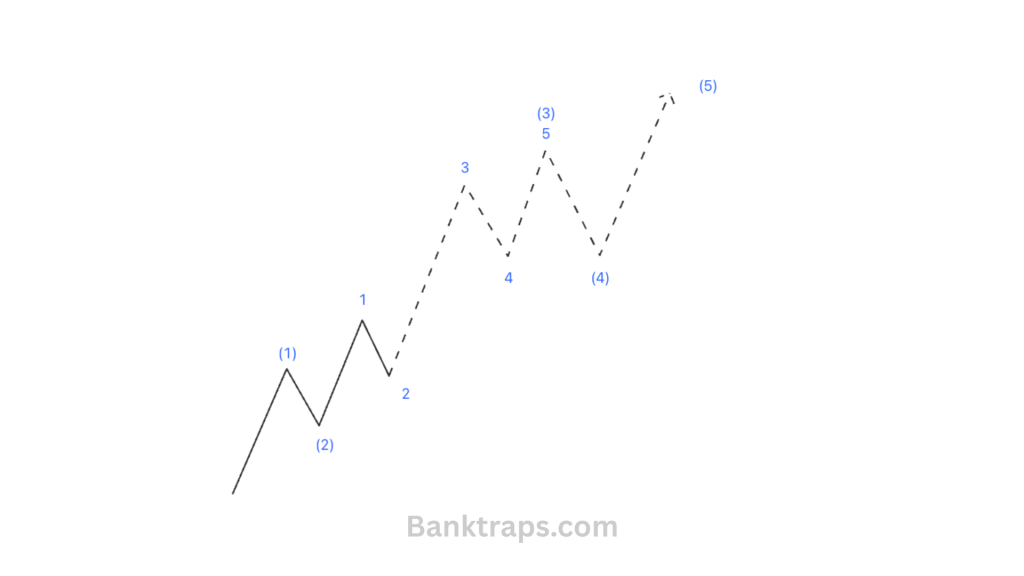 Figure 5: When the inviolable rules of an Impulse are violated, the correct count is almost always to relabel it as wave 3 extending
The Elliott Wave Principle calls this the most useful guideline for real-time wave counting in the entire system. Most wave counts that go astray at wave 3 stem from not relabeling early when the two signs above appear.
In Figure 5, when the sub-wave 2 forms, many people will mistakenly think the sub-wave 1 is wave (3) and the sub-wave 2 is wave (4). However, this violates both Impulse wave rules — wave (4) overlapping wave (1) and wave (3) being the shortest → We can entirely suspect that wave (3) is extending and has not yet ended.
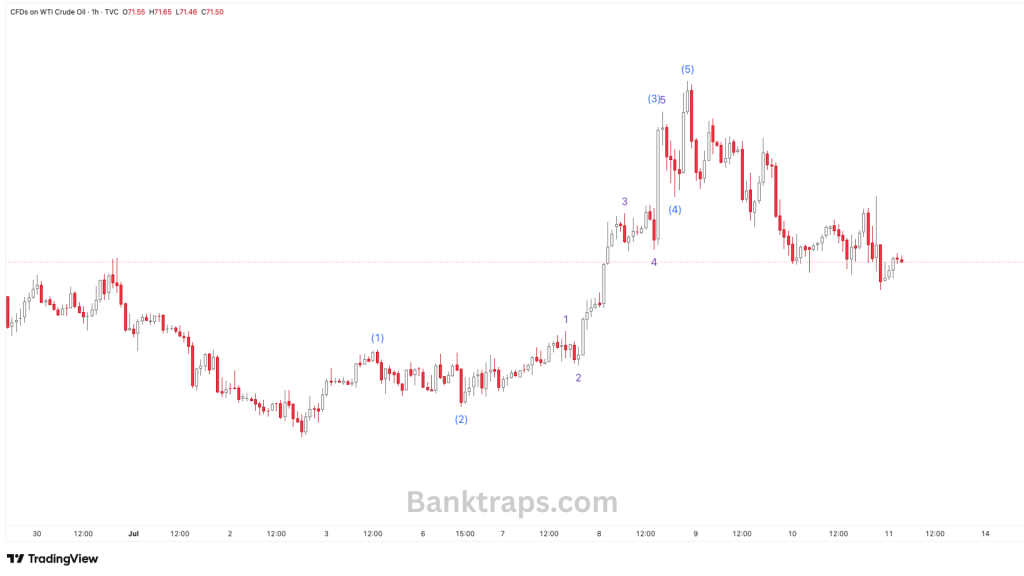 Figure 6: Example of a wave 3 extension on the WTI chart
When you need to measure a price target for an extension, the Fibonacci Extension tool is commonly used for wave 3 and wave 5, with common ratios of 1.618 or 2.618 times the length of wave 1 or waves 1-3. This is a fairly broad topic, and the detailed analysis of how to combine Fibonacci levels to find a price confluence zone will be covered in the article on Fibonacci in Elliott Wave.
2. What Is a Failed Wave 5 (Truncation)?
A truncation occurs when wave 5 ends without exceeding the end point of wave 3, even though inside that wave 5 there is still a full structure of five sub-waves. Elliott originally called this phenomenon a "failure," but the more neutral term commonly used today is truncation.
To confirm a truncation, the first thing to do is check whether the suspected wave 5 has a full five sub-waves inside it. If it is lacking, it is highly likely you are mistakenly counting an incomplete wave 4 as a truncation, rather than a genuine truncation.
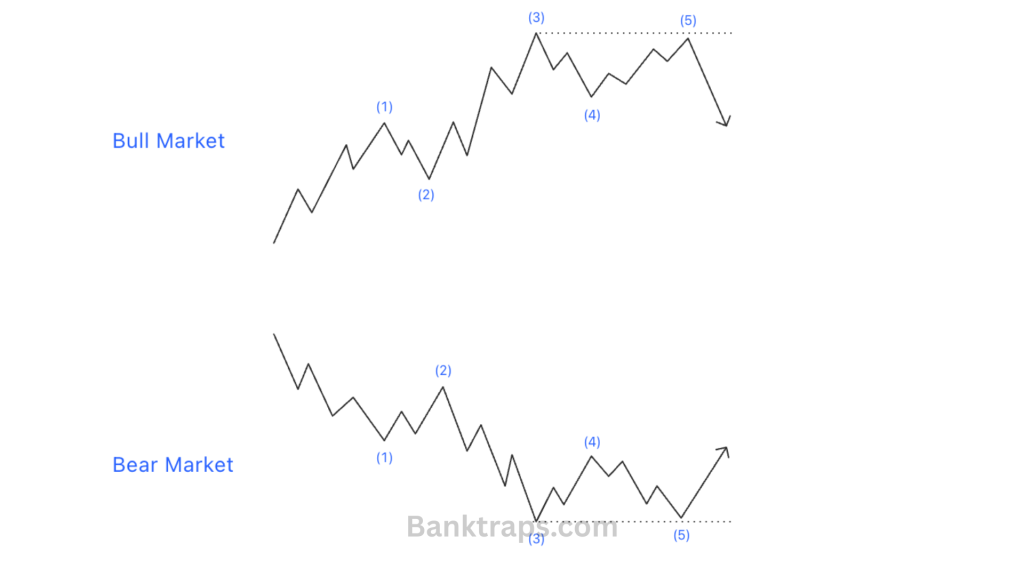 Figure 7: A truncated wave 5 still has a full 5 sub-waves but does not exceed the extreme of wave 3
A truncation usually appears right after an extremely strong wave 3 extension. The thrust of the trend has been largely exhausted in that violent advance or decline, leaving wave 5 without enough momentum to exceed the top or bottom of wave 3.
A truncation is a sign that the main trend at the larger wave degree is running out of steam. This is not a signal to ignore, because it is often accompanied by a fast and powerful reversal right afterward.
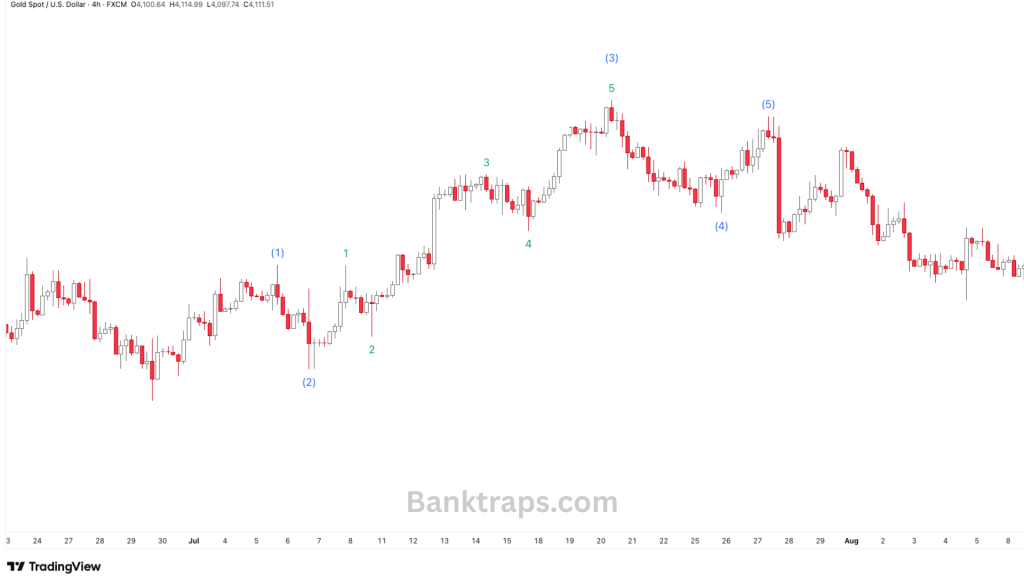 Figure 8: Example of a truncated wave 5 in the gold market on the H4 timeframe
An Ending Diagonal sometimes also ends with a truncation, but the mechanism is entirely different from truncation in an impulse, because the Diagonal itself already allows wave 4 to overlap the price territory of wave 1. These cases are quite rare and deviate by only a very small amplitude. To understand Diagonals and their rule-breaking variations in greater depth, see the article Diagonal (Ending & Leading): when an impulse wave breaks the rules.
3. What Do Extensions and Truncations Tell Us About the Future?
Correctly identifying extensions and truncations is not just about labeling waves correctly, but also helps project upcoming price behavior in advance. There are four important Guidelines as follows:
| Situation | What to expect |
|---|---|
| Wave 1 and wave 3 are approximately equal in length | Wave 5 will most likely be an extension, stretching considerably longer than the other two waves |
| Wave 3 has extended | Wave 5 should have a simple structure, with a length similar to wave 1 |
| Wave 5 has just ended an extension | The next correction will be sharp and fast, stopping around the bottom of wave 2 of that extension itself |
| Wave 5 ends in truncated form | The larger-degree trend is exhausted, and there is a high probability it will reverse quickly and powerfully right afterward |
Among the four guidelines above, the guideline on behavior after a wave 5 extension has the highest accuracy, distilled from real market observation. Because the bottom of wave 2 of the extension usually lies near the price territory of the preceding wave 4 at the larger degree, this correction target is fairly easy to determine in advance, and it also comes with a warning of a fast reversal about to occur. This is a rare combination of high accuracy and early-warning value.
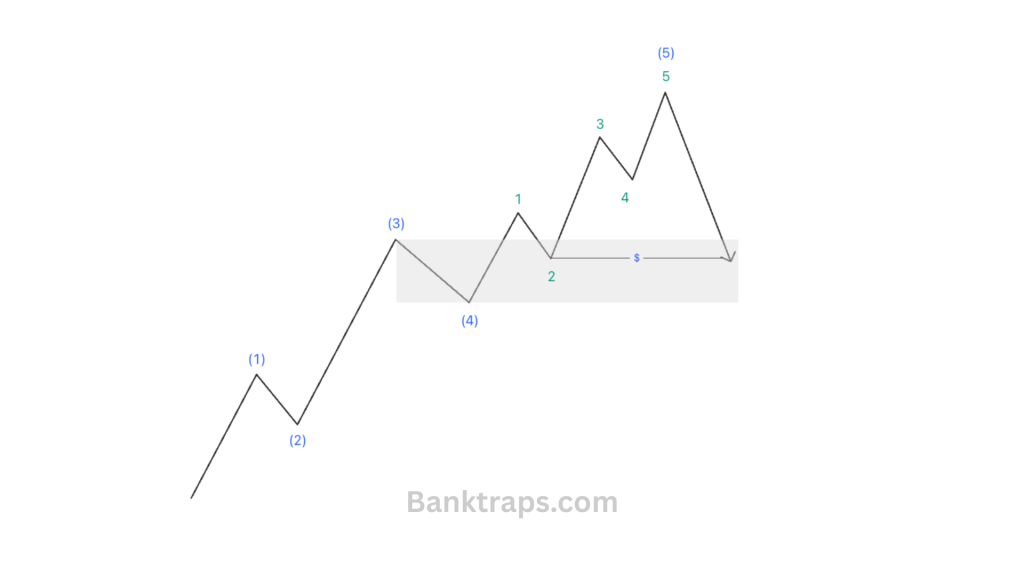 After a wave 5 extension, price can be forecast to correct back to the sub-wave 2
The guidelines on extensions are also closely related to Alternation, the rule of alternation between wave 2 and wave 4: when a motive wave extends abnormally, the other two non-extended waves usually take turns playing the roles of "simple wave" and "complex wave" in the true spirit of alternation. We will have a separate article on Alternation.
Frequently Asked Questions About Extensions and Truncations
Are Extensions and Truncations Rules or Guidelines?
These are Guidelines, with a high probability of occurring but which can still be wrong in some cases. To understand more deeply the boundary between rules and guidelines as well as the most common wave-counting mistakes, see the article Rules vs Guidelines.
Does an Elliott Wave extension have to appear in every impulse wave?
It is not mandatory, but most impulse waves in the real market do contain an extension. If no wave is seen extending clearly, that impulse wave is still valid with a normal balanced 5-wave structure, it is just a less common case.
What to do when you encounter a truncation
When you have identified a truncation by counting a full 5 waves inside wave number 5 but price still has not exceeded wave 3, we should prioritize trading in the opposite direction because a Truncation is a sign of the opposite side to the current trend.
Rate this article
Read structure 10x faster with JUKA
JUKA maps SMC structure — swings, BOS, CHoCH and inducement zones — automatically on any TradingView chart. No more hand-drawing structure for hours.
Get JUKA — $150